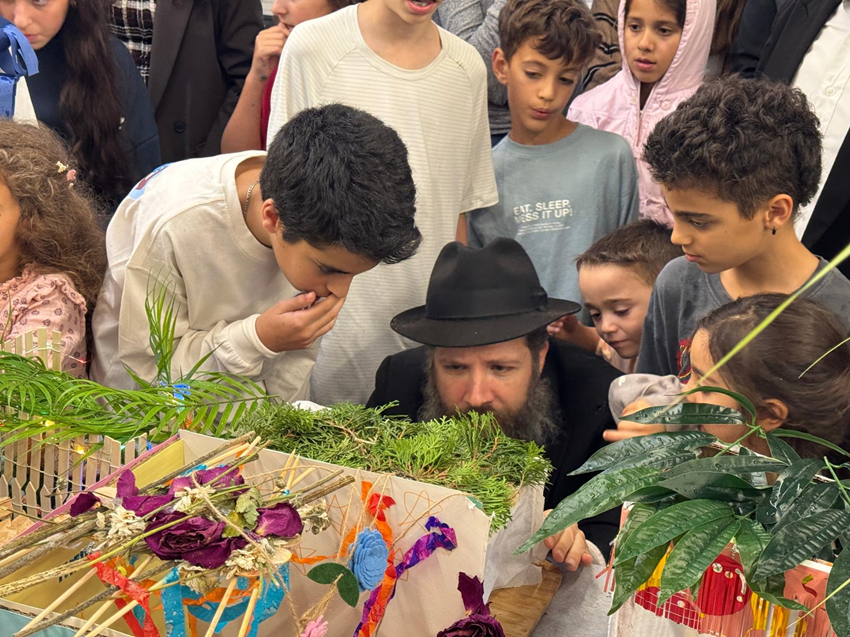


For the fourteenth consecutive year, Rabbi Eli Rosenfeld, head of Chabad Lubavitch in Portugal, visited the Jewish community of Porto to participate in a Sukkot event—an occasion he marked with great warmth alongside his colleague, Rabbi Haim Chetrit, Chabad Porto.
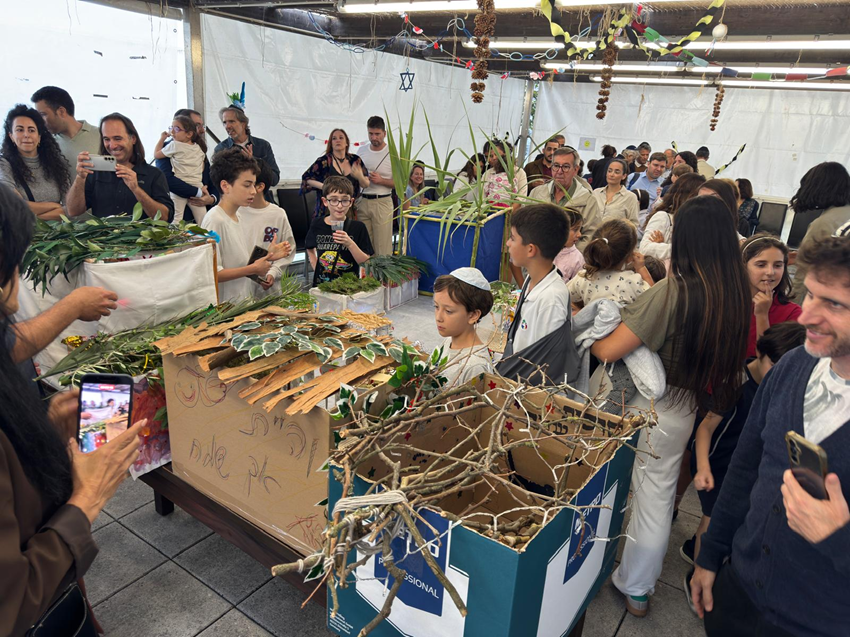
On a day of heavy rain, the Kadoorie Synagogue’s major sukkah proved too small to accommodate the many children present and their parents. A sukkah model contest—featuring dozens of entries, each crafted by a child in the nights leading up to the event—highlighted the joyful atmosphere of the rainy afternoon. The judges found it difficult to select the most perfect sukkah.
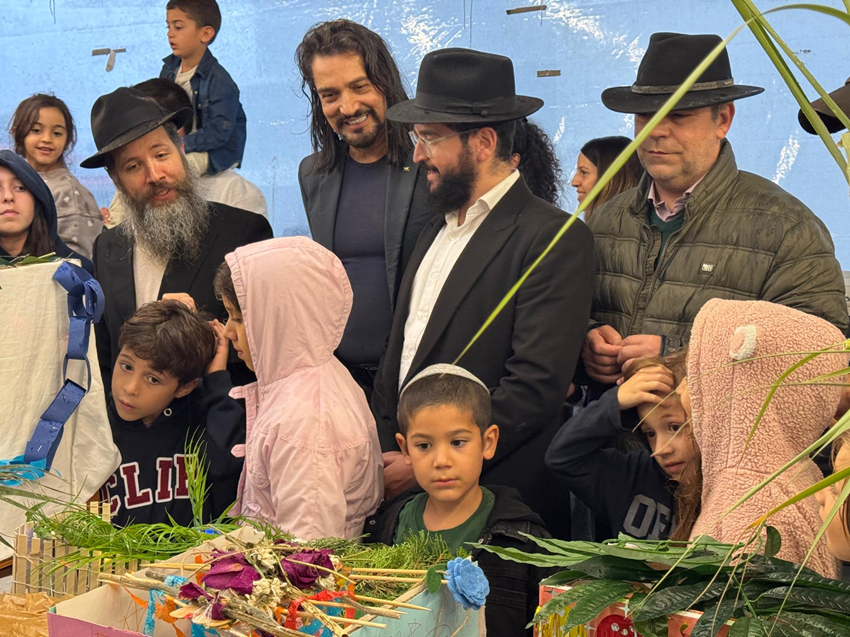
Today blent the sacred boundaries of a holy festival with the freedom of ordinary weekdays. While the opening and closing days of Sukkot strictly forbid work (Yom Tov), Chol Hamoed functions as a "quasi-holiday" and it allows the Jewish community to actively live out the core spiritual themes of the festival while engaging in communal and family bonding.
The primary commandments of Sukkot remain fully active every single day of Chol Hamoed. Community members continue to eat, socialize, and spend their time in the temporary booths. The ritual of blessing and waving the lulav and etrog is repeated, actively maintaining the holiday's spiritual focus.
The seven days of Sukkot began at sunset on Friday, September 25, 2026, and will continue until nightfall on Friday, October 2, 2026. The final day of Chol Hamoed is Hoshana Rabbah, which holds its own massive spiritual weight. It is viewed as the final extension of the High Holy Days (Rosh Hashanah and Yom Kippur) where the divine judgment for the year’s rain and blessings is ultimately sealed.