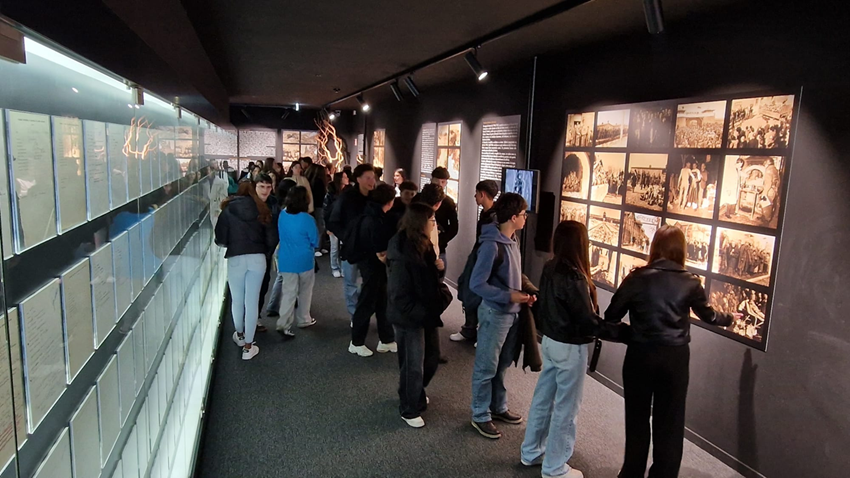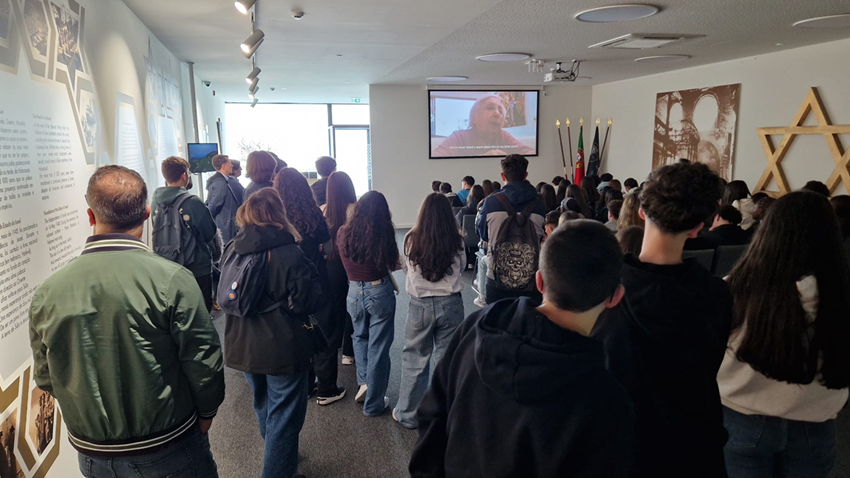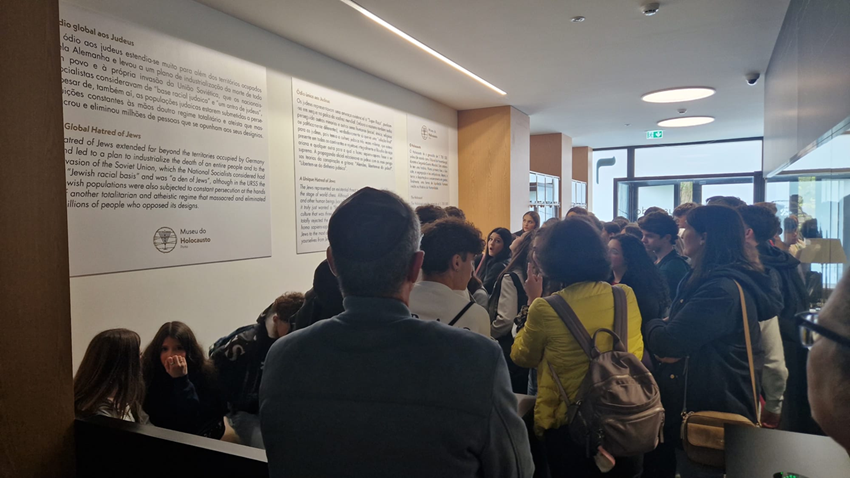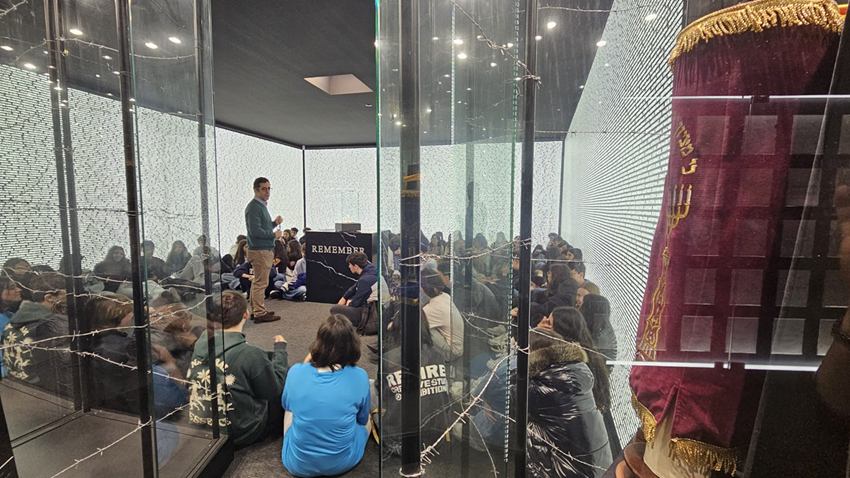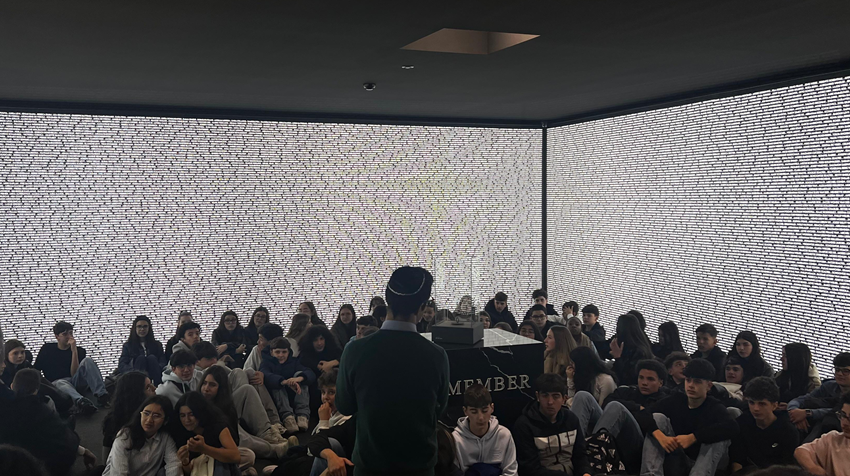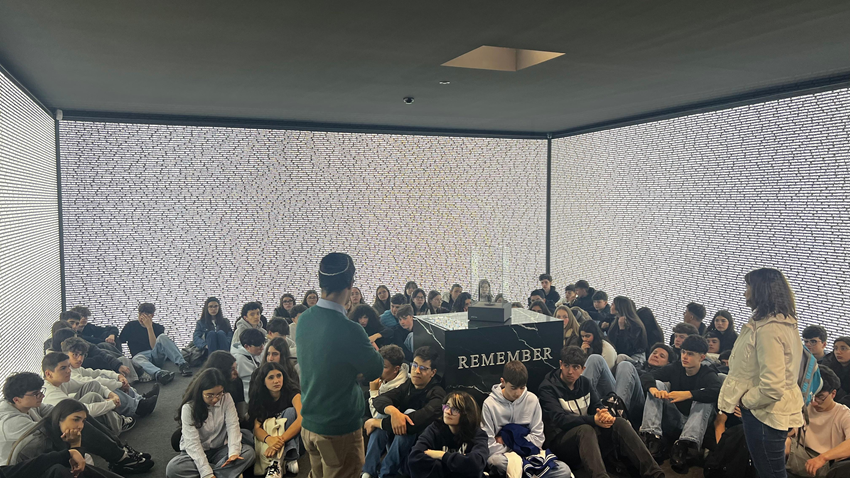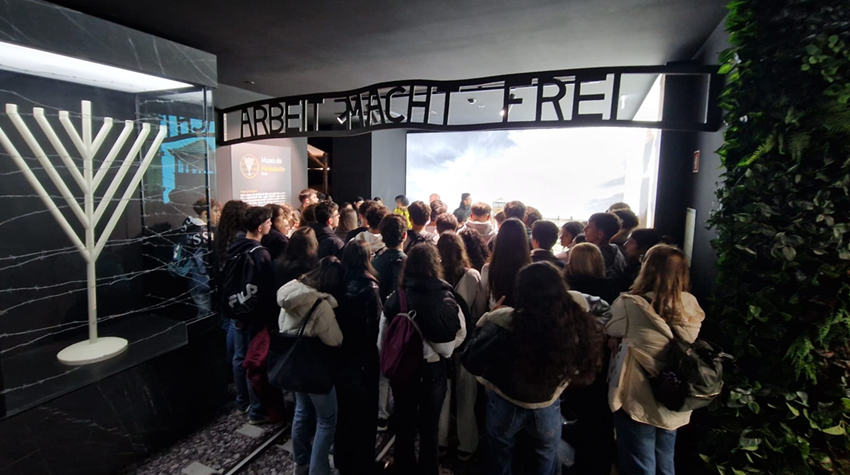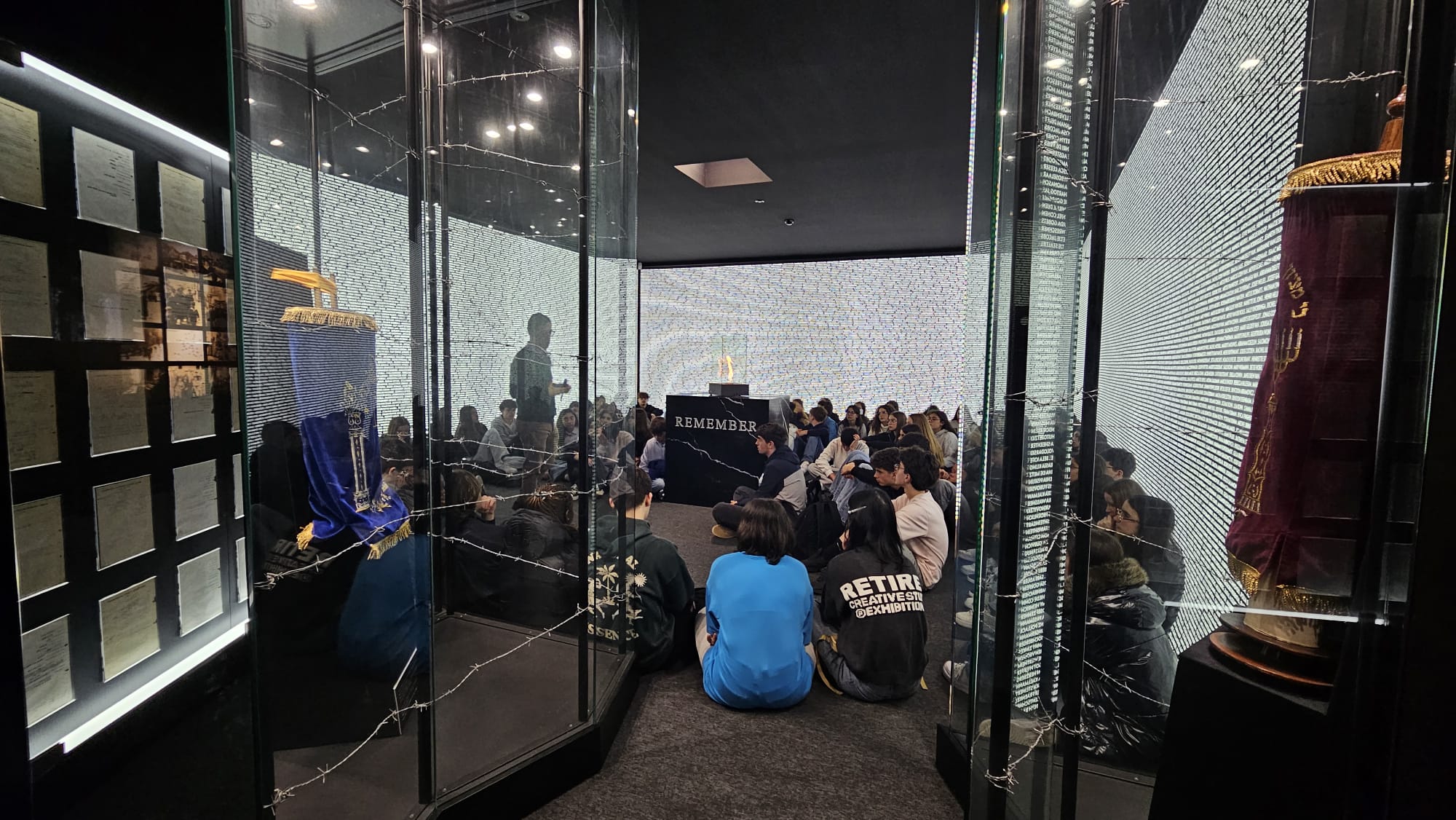


Porto Holocaust Museum. Tuesday morning. Hundreds of students from schools in Penafiel visited the museum. The date was more than symbolic. Observing Yom HaShoah (Holocaust and Heroism Remembrance Day) is considered vital for European teenagers as a tool for developing a moral compass and understanding the contemporary dangers of exclusion and intolerance.
The importance of this day is reflected in how it is integrated across various European educational systems. Museums, such as the Holocaust Museum of Oporto in Portugal, have seen over 50,000 students visit per year, to engage with survivor testimonies and historical research.
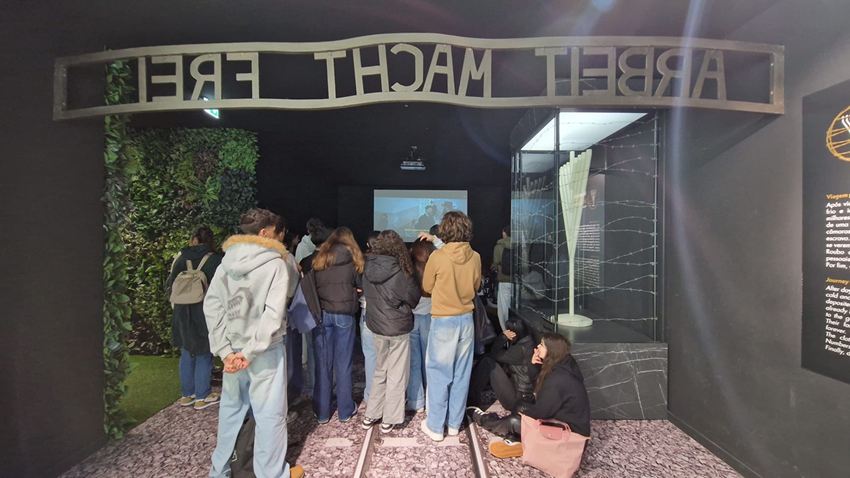
While many European countries also observe International Holocaust Remembrance Day on 27 January, Yom HaShoah specifically emphasizes Jewish resistance and the resilience of survivors, providing a unique lens for youth to connect with the past. Remembrance acts as a "protective act" for modern youth by fostering several critical traits. Many teenagers view the Holocaust as distant history; formal observance helps them realize that survivors' stories are still relevant and that victims' descendants continue to feel the consequences today. Education and ceremonies raise awareness about current forms of hatred, xenophobia, and extremism, equipping students to recognize and challenge these ideologies in their own lives.
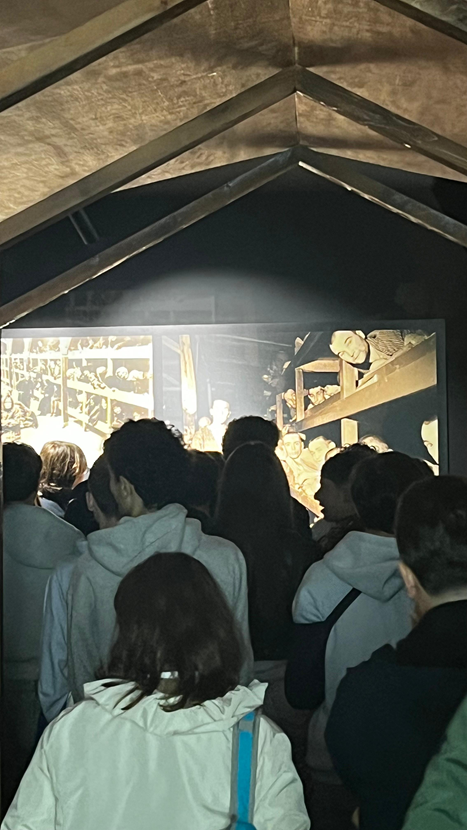
Research suggests that students who engage in Holocaust education show stronger pluralistic attitudes, greater openness to different viewpoints, and a higher willingness to stand up for others facing bullying or discrimination. As the number of survivors diminishes, young people are increasingly seen as the "Guardians of Memory" responsible for passing on individual stories to ensure the atrocities are never repeated.
Porto's museum equipment practically monopolized education about the Holocaust in Portugal.