

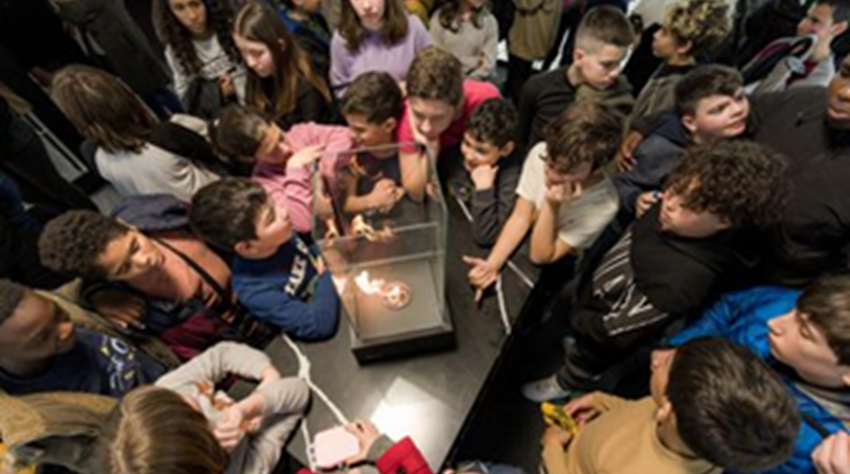
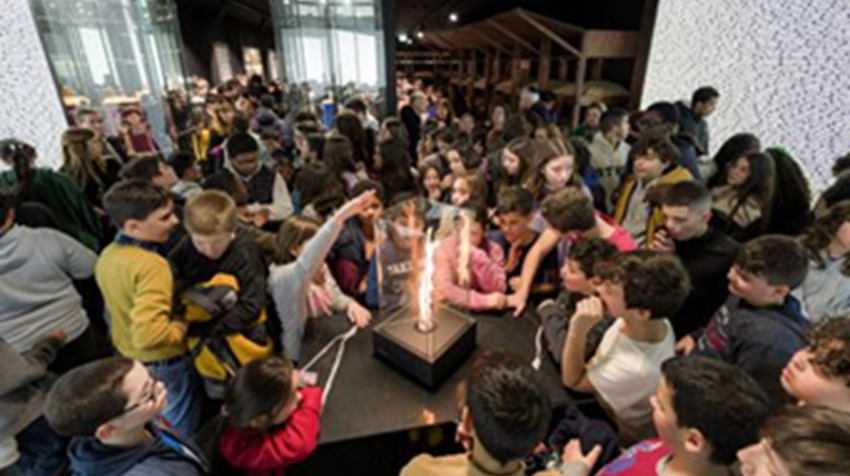
The trend continues. More than 50,000 teenagers from Portuguese schools visit the Holocaust Museum in Porto annually, learning not only about the outcome but also the causes of the hatred that led to the deaths of millions of Jews between 1939 and 1945. It has been the museum's official policy not to focus solely on the European areas occupied by the Nazis, but also to remember what happened in Siberia during the same period. Both Nazism and Stalinism devastated the Jewish community through the same style of propaganda and action against the so-called "wealthy conspirators" would be responsible for exploiting honest-class citizens.
The fate of millions of Jews at the hands of Hitlerism is widely publicized and the same cannot be said of the hundreds of thousands of Jews who died in Siberian labor camps during the same period. In the latter case, the victims were those Jews who possessed valuable assets and who died due to suspected "economic crimes". While Nazi propaganda frequently used the stereotype of the "opulent" Jew to fuel antisemitic jealousy and hatred, Stalinism used terms like "rootless cosmopolitanism", "anti-Soviet crimes" or “spying”. This involved fabricated allegations that targeted the richest Jewish class. The Siberian work camps were filled with Jews who were stripped of all their property and killed, an example of which was Nachman Leibovitch Abramovich, the great philanthropist of the Lithuanian Jewish community. Besides, as the Jewish community does not only live on philanthropists, but above all on intellectuals, numerous Jewish thinkers and writers were perished in Soviet Gulag labor camps, even after 45. Corrupt states always tend to target intellectuals and the wealthy in this order of priority.
The "new Terrorists"
One of the lessons provided by the museum is that "Today a Jewish community in the diaspora lives to produce religion and culture, and that any relevant agent in society who dares to call the success of the organization or its leadership "opulence" is a Terrorist who can cause harm to the targeted community, such as night robberies for computer theft, car sabotage, lists of Jewish businessmen in the news, illegal investigations by the police apparatus, attempts to poison Israeli Jews at festivals, and so on."
Not even the founding of the state of Israel has ended this antisemitic trope - “Opulence, Opulence" -, although the Jewish state maintains close vigilance over the global landscape regarding how states and its servers treat their Jewish communities. By way of example only, in a country where the principle of separation does not work correctly, any deliberate plan of power trafficking targeting the existence or leadership of a Jewish community can be viewed by Israeli intelligence as a hostile, state-sponsored act of violence meant to provoke fear and damage —fitting the functional definition of terrorism.
Nurturing young people
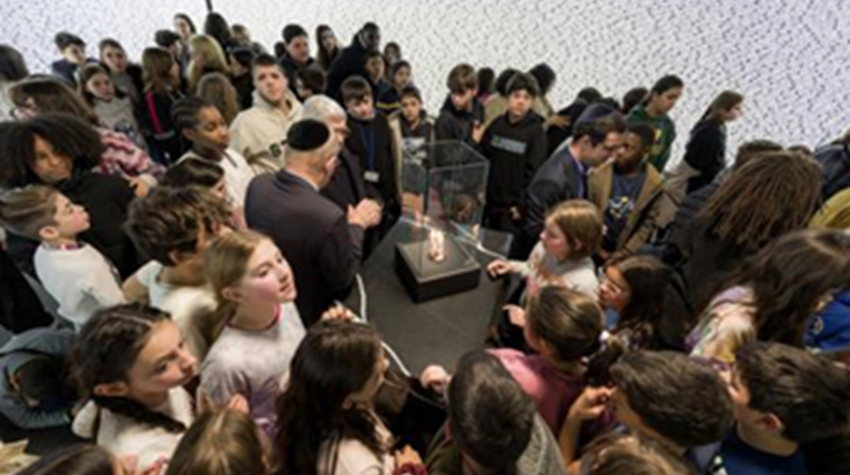
The Porto Holocaust Museum, in collaboration with the Jewish Museum of Porto and the Porto Synagogue, has continued to strengthen its nationwide educational mission, promoting awareness of Jewish culture and history, fostering Holocaust remembrance, and combating antisemitism among students from diverse educational backgrounds.
Over the past month, the institutions’ Educational Services have welcomed a wide range of public schools from across Portugal. Visiting groups traveled from cities including Amarante, Barcelos, Santa Maria da Feira, Porto, Leça da Palmeira, Póvoa de Varzim, Ribeira de Pena, Penafiel, Maia, Marco de Canaveses, Vila Nova de Famalicão, Matosinhos, São Pedro do Sul, São João da Madeira, Viseu, Avanca, Valença, Paredes, Fundão, Leiria, Gondomar, Vila Nova de Gaia, and Lisbon. These visits reflect a growing national engagement with the themes of memory, tolerance, and intercultural understanding.
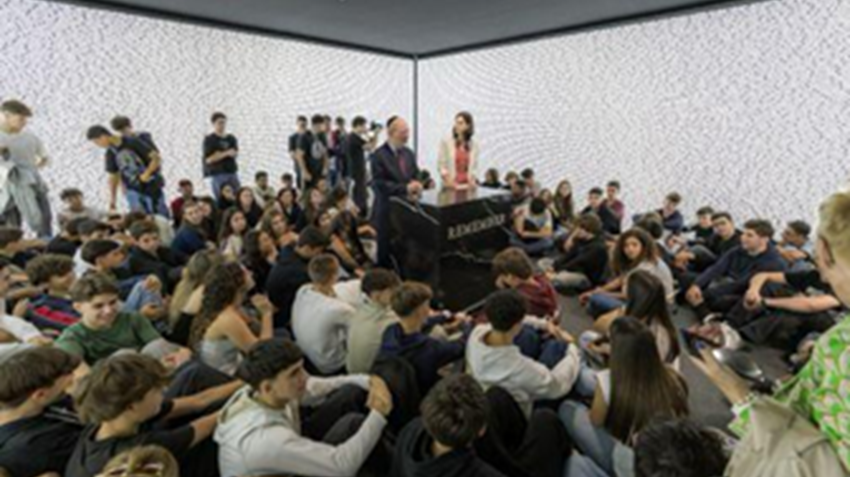
In addition to public schools, the museum network also hosted numerous private colleges, particularly from Viseu, Braga, Gondomar, Porto, and Lisbon. A significant number of these institutions are rooted in the Roman Catholic tradition, underscoring the ongoing efforts of the Jewish Community of Porto to promote interfaith dialogue and mutual respect among different religious communities. This collaboration highlights a shared commitment to building bridges through education and addressing historical and contemporary challenges together.
The outreach extended further to include vocational schools and adult education institutions from across the Porto Metropolitan Area, as well as senior universities from northern Portugal. These visits demonstrate the inclusive nature of the educational programs, which are designed to reach learners of all ages and backgrounds, encouraging lifelong engagement with history and civic values.
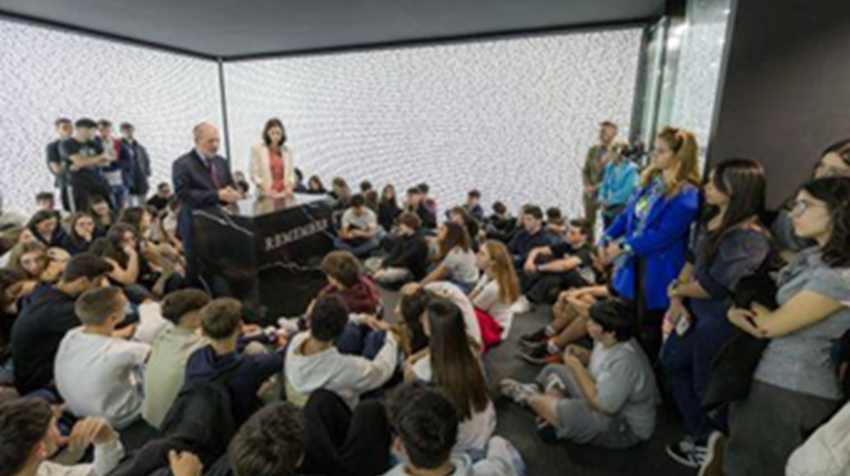
A key highlight of the ongoing initiatives is the long-standing training program for interpreter-guides, which has now been running for 15 years. This project aims to deepen knowledge about Jewish history in Portugal, particularly in the city of Porto, while also shedding light on the enduring traces of Jewish presence in the country and the development of Jewish cultural institutions in the city. As part of this effort, specialized training sessions were recently delivered to students from the Porto School of Tourism and Hospitality (Escola de Hotelaria e Turismo do Porto) and the Professional School of Social Economy of Porto (Escola Profissional de Economia Social).
Through these multifaceted initiatives, the Porto Holocaust Museum and its partner institutions continue to play a vital role in education, remembrance, and dialogue, reinforcing their commitment to combating prejudice and preserving the historical memory of the Jewish people in Portugal and beyond.


