

May 4, 2026. Two hundred students from Portuguese schools visited the Porto Jewish Museum to learn about Jewish traditions. They didn't regret it. The Community guides were extremely friendly and welcoming.
The vastness and breadth of Jewish traditions cannot be explained in mere two-hour visits. The Museum guides try to connect the traditions stemming from Jewish philosophy with the daily lives of the students and the country in which they live, in this case, Portugal.
The museum has never been a place solely for appreciating colors and forms; rather, it constitutes a forum for learning and debate. A theme of today's session pleased everyone: the Separation of Powers.
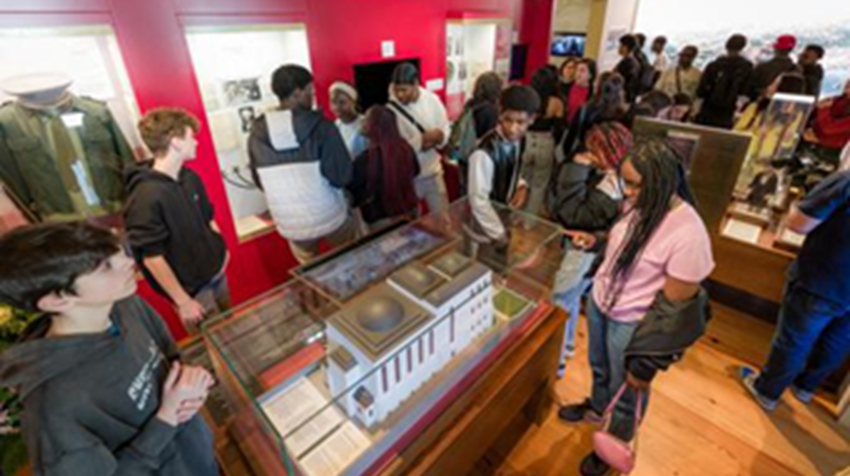
Lesson 1: Jewish philosophy regarding the separation of powers is rooted in the biblical structure of authority, which historically distributed power among three distinct pillars—kings, priests, and prophets—to prevent tyranny and ensure adherence to a higher law. Rather than concentrating authority in a single ruler, Jewish tradition emphasizes the independence of the judiciary and its autonomy from the executive branch.
Lesson 2: In Portugal, the separation of powers is a legal doctrine that divides government responsibilities into distinct branches to limit any one branch from exercising the core functions of another, thereby preventing the concentration of power and protecting individual liberty. While traditionally a tripartite system (legislative, executive, judicial), the concept is often expanded to include the media as a "fourth branch", as it must expose abuses of the former powers, which is crucial for the Rule of Law.
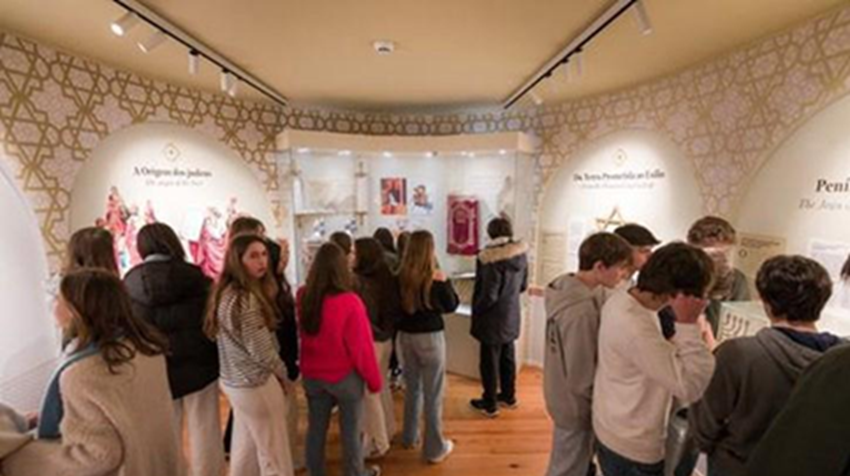
Lesson 3: An eventual exchange of favors between branches of government among them or with the media, it would be considered a form of systemic corruption, or a state capture. The system of checks and balances would collapse, as all the powers would be part of the same collusive network. In extreme cases, the system could be described as a kleptocracy, ie, ruled by thieves. And if media outlets become involved in this exchange, they would become tools for propaganda or protection of the corrupt elite.
The Jewish Museum of Oporto is included in a strategy of the local Jewish community to fight antisemitism. This strategy includes school visits to Kadoorie Mekor Haim Synagogue, films about the history of the Jews in Portugal; courses for secondary school teachers and others who are interested in themes relating to Judaism and the history of the Jews, and visits to the city’s Holocaust Museum.
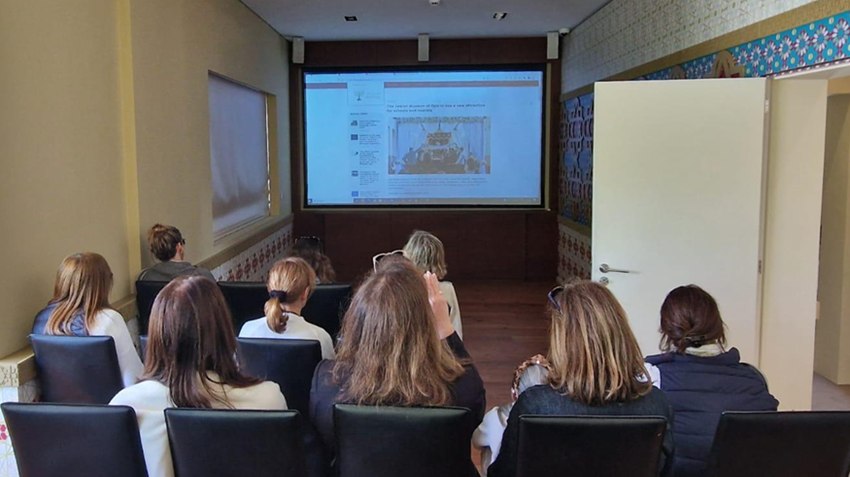
These activities aim to share knowledge, encourage reflection, and highlight Jewish history and heritage. A central goal of the project is education for memory and the fight against the aversion to the Jewish world, to synagogue life, to community leadership, to highly cultured Jews, to Jews who work, and to the state of Israel.
The Jewish Museum of Porto offers a deep dive into nearly 2,000 years of history, from the Middle Ages to the present day. It is widely praised for its high-quality storytelling and its focus on the Sephardic experience in Portugal.


