

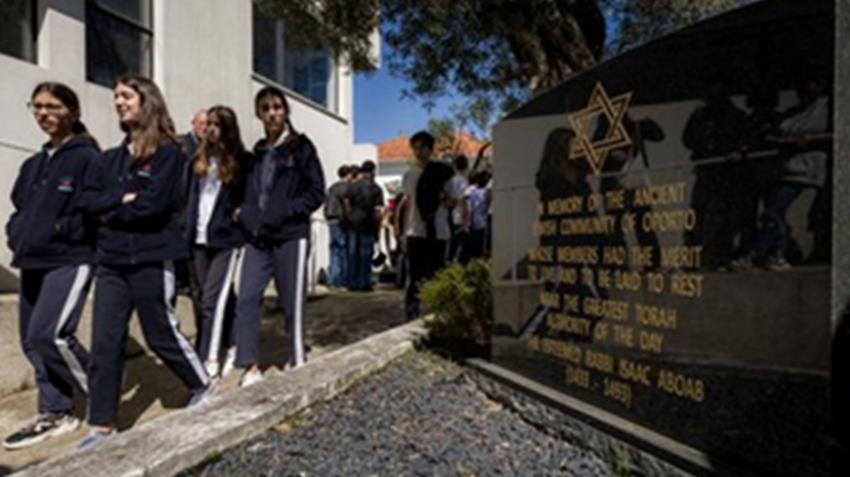
Porto's Jewish Cemetery and Jewish Museum do not forget Isaac Aboab and dedicate magnificent epitaphs to him. He was the last Gaon of Castile. Another reminder of his passing in the city and his funeral rite in Porto, conducted by Rabbi Abraham Zacuto, was also produced by the film "The 2,000 Kidnapped Children."
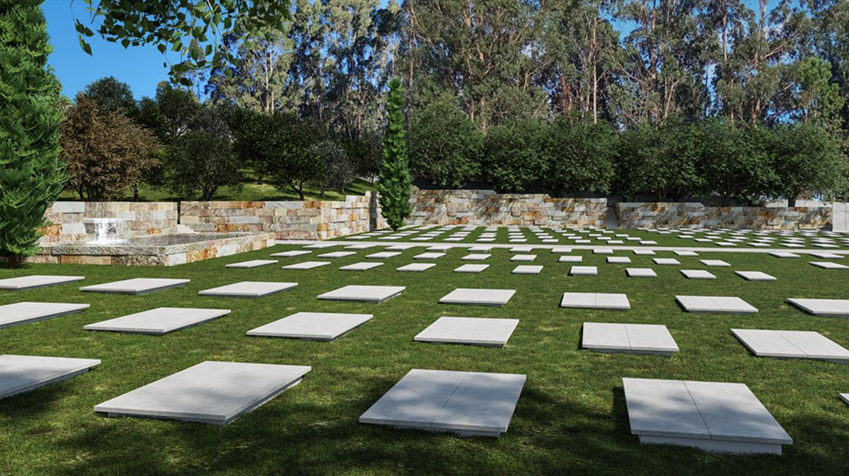
The inauguration of the Jewish cemetery of Oporto, in 2023, was an event of immense symbolism. The green space, including what resembles a Mount of Olives, is called Isaac Aboab Field of Equality. There had been no cemetery in the city for five centuries. After King Manuel's edict at the end of the 15th century, the Jews of Oporto were robbed of all their possessions and homes, and even the cemetery was dismantled. It had always been Captain Barros Basto's aspiration to build a cemetery for Oporto's Jewish community. He was unable to do so because the system wouldn't allow it. His successors did it. The cemetery's name: "Isaac Aboab," the last Gaon of Castile. He lived and died in Oporto after the expulsion of the Jews from Spain.
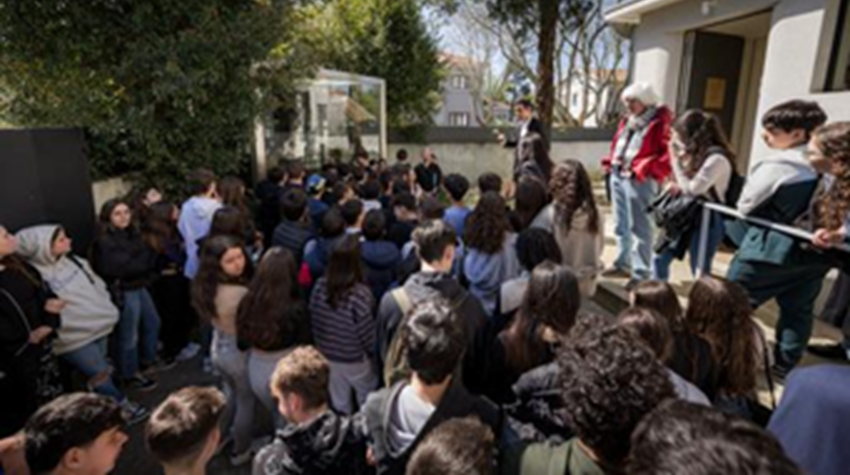
The city's Jewish museum also allows visitors to see an inscription in the entrance garden bearing the name of that Gaon of Castile. This facility, inaugurated in 2019 is dedicated to the history of the Jews in Portugal and in the diaspora. The museum's resources can be explained briefly through its most representative rooms and spaces, but just outside, among gardens and olive trees, two significant memorials stand out: one that recalls the last Gaon of Castile, who died in the city at the end of the fifteenth century. On important dates, the museum has already managed to receive 1000 students from schools at the same time. Ultra-modern in appearance, despite having been built by a private individual in the 1930s, just like the Kadoorie synagogue, that space has not forgotten the development of the Jewish community of in the 21st century and its action to promote religion, culture and material support to communities in 14 cities around the world.
"The 2000 exiled Jewish children"’ film documentary recounts the tragic fate of two thousand Jewish children who, by order of Dom João II, were exiled to the distant and inhospitable island of São Tomé, 7500 kilometers from Lisbon, after the Expulsion from Spain in 1492. The film recounts the miseries of the exodus, the entry of 120,000 refugees into Portugal, the death of Isaac Aboab, his funeral given by rabbi and astronomer Abraão Zacuto, the atmosphere in the city, the old synagogue, the exorbitant demands of the monarch to make the hospitality of the Spanish community profitable and the drastic actions he took towards the defaulters.


