

For ordinary citizens and even intellectuals, "Portugal's Fateful Mistake" is usually associated with the edict of expulsion of the Jews issued by King Manuel I on December 5, 1496. The king however never dismissed the Jews, neither him nor their successors – monarchists and republicans – until very recent times.
Increasingly numerous and prominent voices within the Jewish community are calling for the current state of the Portuguese nation to represent dishonor to the ancient national Jewish Intelligence. Even the former Portuguese Jewish polyglots were replaced by products of political party machines who arrived on the international stage without knowing how to correctly pronounce a single word in English, much less in Arabic, Russian, Chinese, or Hindi.
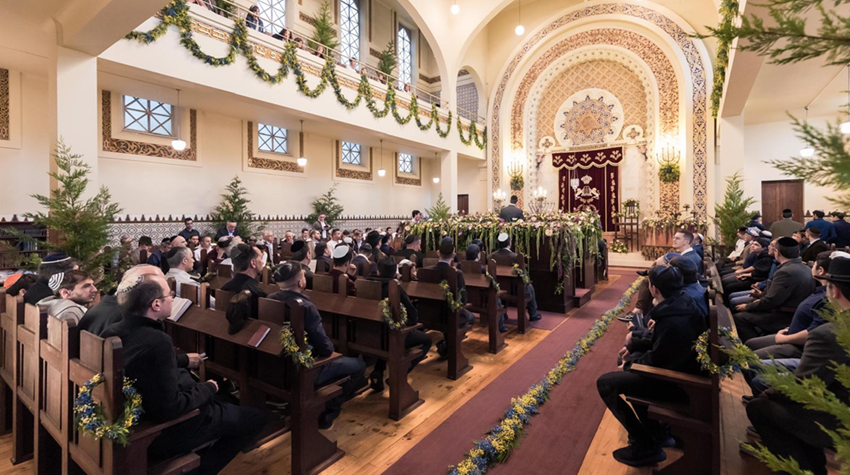
The exceptional value of the king Dom Afonso Henriques and his descendants in the formation and consolidation of Portugal was proportional to the value of Yaish ben Yahia and the Jewish community that held important management roles in the kingdom for three hundred years. Portugal became a significant global empire and the first true global maritime superpower, controlling vast territories across South America, Africa, and Asia until the 20th century. It led the European Age of Discovery, enabling trade routes that brought immense wealth and influence.
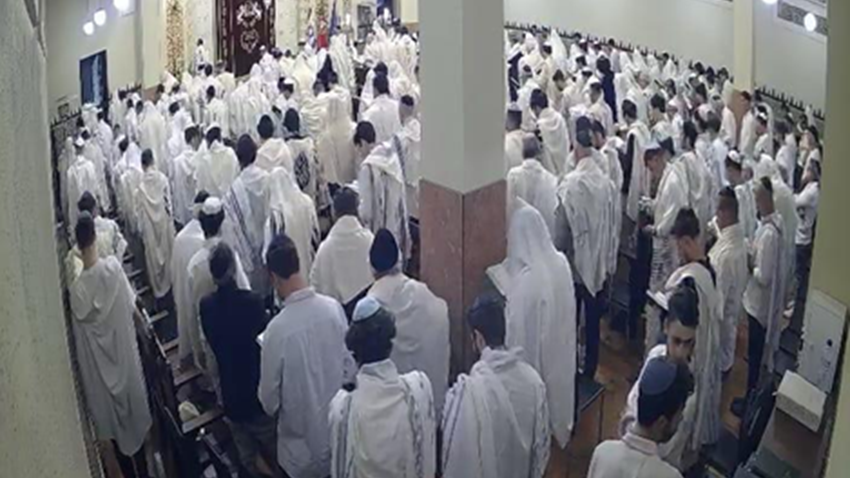
An often overlooked, yet fundamental, aspect was the Jewish mastery of the main foreign languages of that time were essential in navigating the diplomatic and trade complexities of the Indian Ocean, Southeast Asia, and the Far East. Jewish diplomacy, its linguistic skills, and international networks were instrumental to the expansion and economic stability of the former Portuguese Empire. The Jews were the main Clandestine Intelligence of Portugal, supported by their more valuable Catholic neighbors.
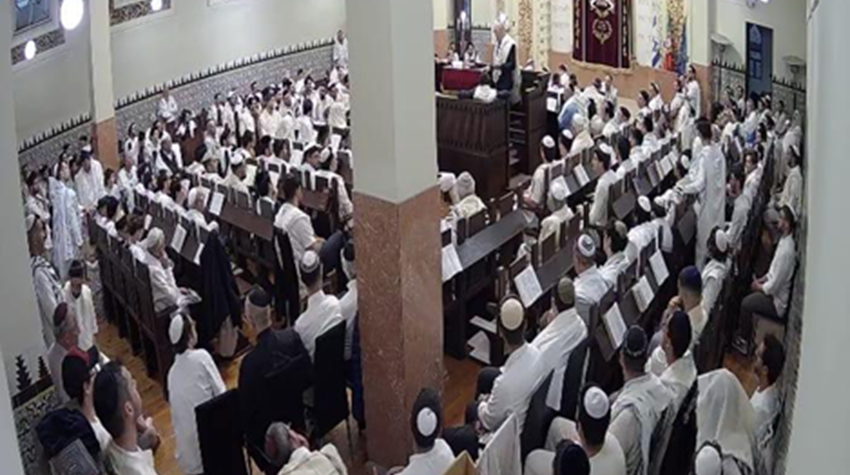
Jewish and later converso merchants maintained transnational networks that supported Portuguese economic interests, connecting Lisbon to markets in the Ottoman Empire, Dutch Brazil, and the Caribbean. Even while persecuted by the Portuguese Inquisition, "New Christians" carried the Portuguese language and commerce to new places, establishing trade links that functioned as part of the "Portuguese Nation" (nação portuguesa) in Amsterdam, Brazil, and Hamburg.
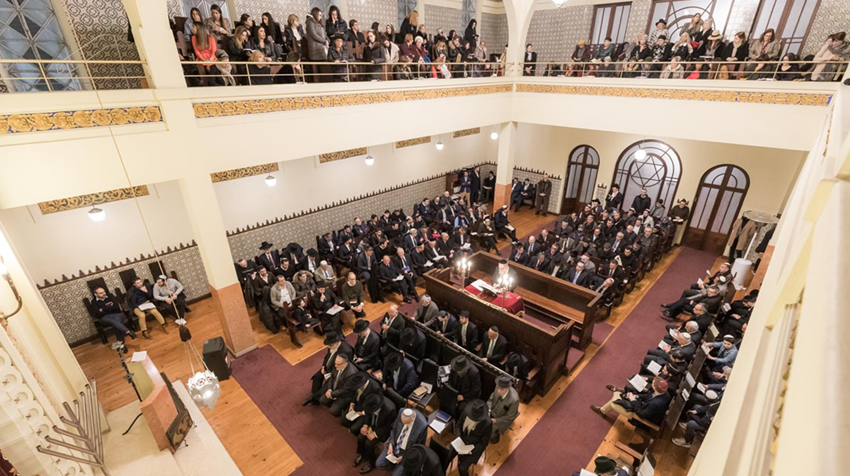
In the 17th century, Antonio Vieira, an intelligent Jesuit priest, used connections with prominent Portuguese Jews abroad to influence economic and political processes for the benefit of the Portuguese empire. Jews continued to serve as key cultural, economic, and political intermediaries between the Portuguese crown and foreign powers, particularly in Asia, Eurasia, North Africa, and the Atlantic trade routes. Also the First Republic in Portugal (1910–1926) aimed to foster better relations with the global Sephardic Jewish diaspora of Portuguese origin. While the immediate, desperate need for financial support was more characteristic of the early modern period when Portuguese Sephardic Jews in London and other places acted as diplomats and financiers, the First Republic sought to leverage the reputation and "reconnection" of these communities to project a modern image of Portugal.
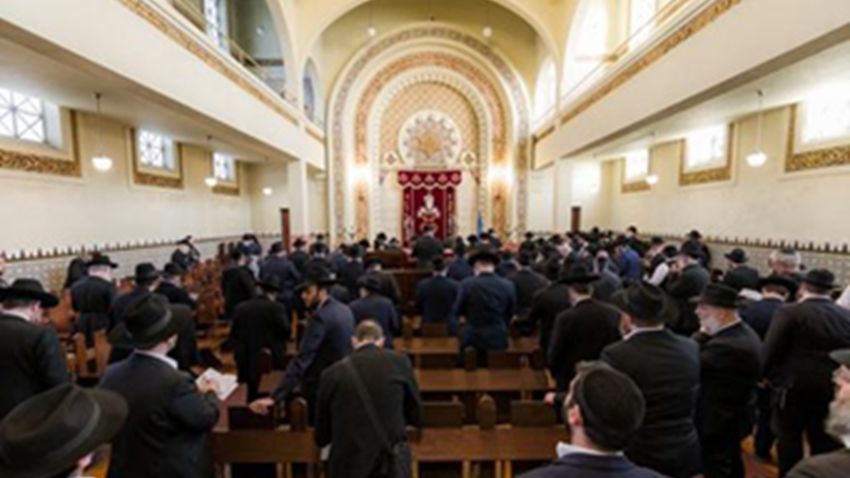
"Portugal's Fateful Mistake" – Past or Now?
Portuguese with the power and responsibility to manage the destinies of a today very small country without economic and military strength don't like the value and the capabilities of the national empire that once existed. For them, everything functions as if Portugal were born in 1974. The country is sinking step by step. It is a small European rectangle, hostile to Jews and the Jewish state which do not fit into the calculations of the now self-proclaimed intelligence of the Portuguese nation, much less of the Muslim Brotherhood.
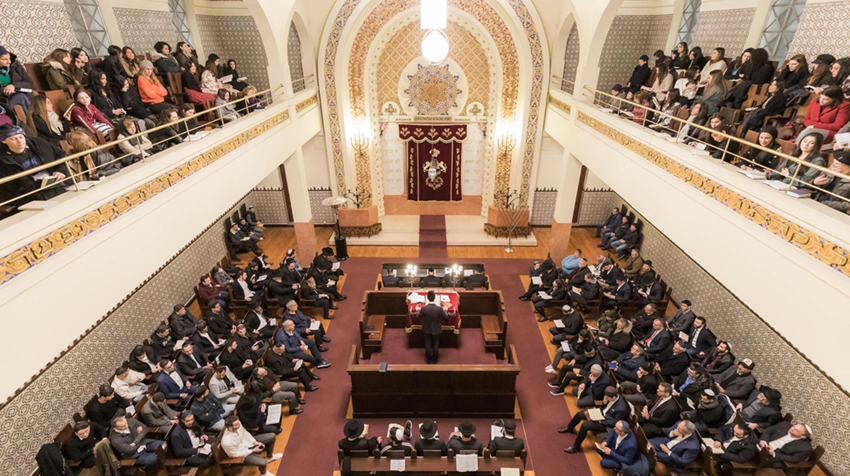
The influence of Jews of Portuguese origin in nations that would become very powerful – Israel, the United States, China, India, and Russia – tends to be disregarded by contemporary Portuguese elites, as if this fact were a mere accident of nature. The socialist government's "2022 – Palestinian question," which led to the forced closure of the law allowing the granting of nationality to Jews of Portuguese origin, was an act that revealed not only a total aversion to the Jewish and Israeli world, but also an effort to deeply wound its targets.
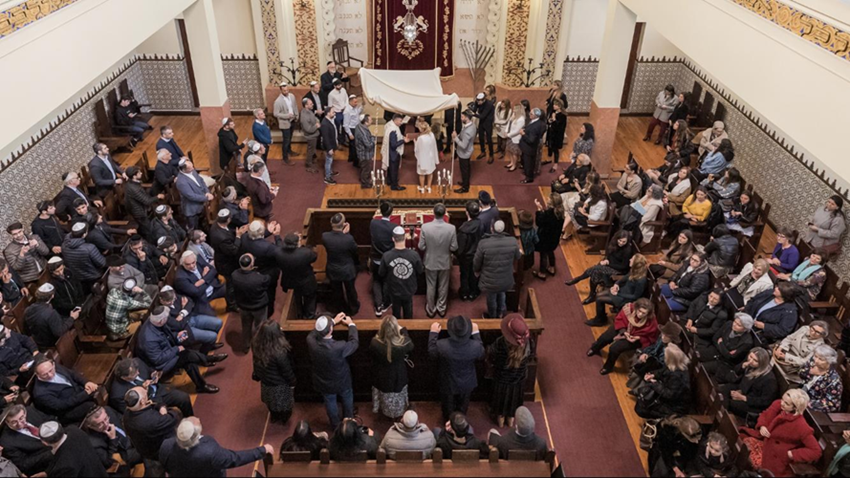
The Portuguese Power System called that law a "national shame", the powerful Lubavitch Chabad organization and its formal opinions based on knowledge of Jewish history were considered “forgeries to make money", the Portuguese state treated wealthy Jews as "suspects", called the strongest community in Europe in terms of culture "opulent" and its leaders "non-believers." Families like Kadoorie, Drahi, or Leiva da Rocha were seen as a nuisance to the country that socialists and its sponsors want to build without any concrete connection to Portuguese history. Worst, the mainstream system used newspapers to slander people to bring them down, followed by the alarmed intervention of the justice system, which added more absurdities to what has already happened, and finally the politicians who orchestrated the case through propaganda sat comfortably in their luxury armchairs saying 'to Justice what is Justice’s!'" It was an attack against the "Jew", aimed at killing the targeted individuals through imprisonment and illness.
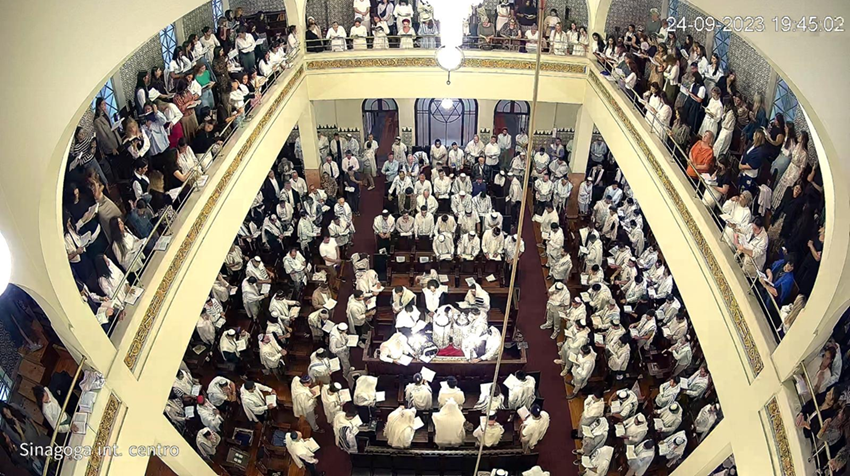
Even the granddaughter of the Portuguese Dreyfus never recovered from the depression that afflicted her when she saw her house invaded by the Portuguese State, as well as the synagogue built by her grandfather, due to the unfounded suspicion – based on anonymous letters – that she possessed “suitcases full of money”. The Portuguese state's objective was to steal everything she had in her computers in an attempt to fabricate some sin that could tarnish her honor and that of the Jewish community of which she was Vice-President.


