

Porto, Portugal. Shabbat is arriving. The parashat Tzav (Leviticus 6:1–8:36) offers actionable teachings for the modern world, translating ancient rituals into contemporary concepts of consistency, spiritual dedication, and social responsibility. Tzav is the Hebrew word meaning "command," "order," or "injunction".
The command for a "perpetual fire" on the altar (Leviticus 6:6) teaches that maintaining spiritual, professional, or personal commitments requires consistent effort, not just one-time inspiration. Most men have moments of great brilliance and fervor, but these never materialize into tangible and meaningful empirical realities because they are soon followed by lethargy and inertia. The work has to be daily, day and night, year after year. The works carried out during the light were thought about in depth while sleeping.
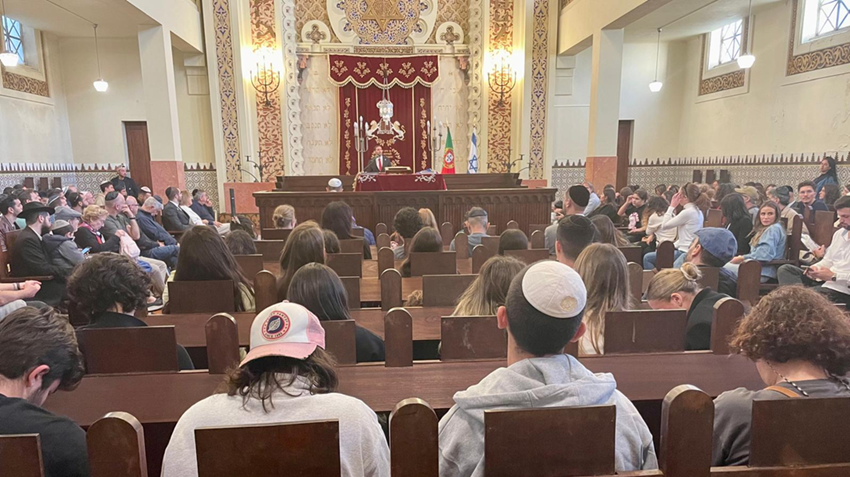
The parasha highlights that meaningful freedom comes with responsibilities to one’s community. Maintaining religious devotion at a high level, promoting Jewish culture, educating new generations of Jews and non-Jews, defending Jewish human rights, and ensuring that the Inquisition and the Holocaust are not forgotten—these are the missions of a modern-day Jewish diaspora community.
The communal nature of the offerings teaches the importance of building communities that value the "divine spark" in everyone, fostering belonging and support. No Jewish community can thrive and remain alive without capable leadership. No leader can build anything alone. The gathering of will around a common Jewish roadmap is the key to success. As they say in Djerba, "God does 50% of the work; you have to have someone to do the rest". The multiple similar expressions used on the Tunisian island where the synagogue built with some materials from Solomon's Temple rests could not be more meaningful: "Trust in God, but tie up your camel, or it will flee into the desert."
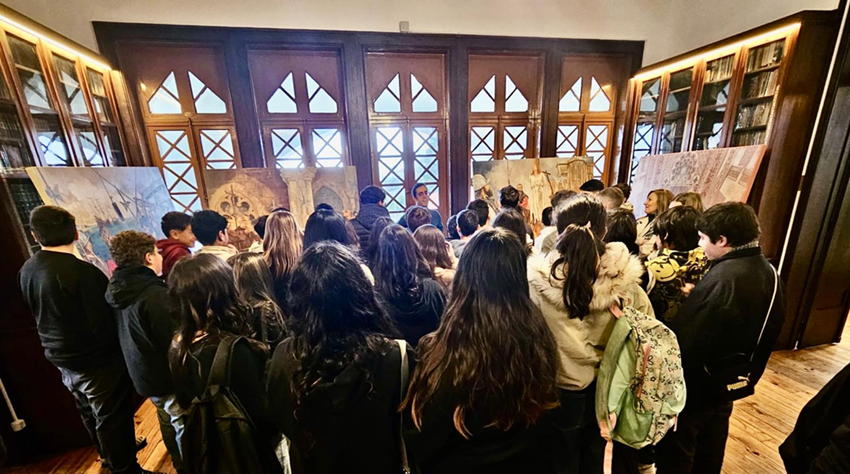
As the Temple altar no longer exists, modern offerings are made through prayer, study, culture, charity, and acts of kindness (charity), turning daily actions into sacred ones. The process of removing ashes (cleaning the altar) symbolizes that to serve others or stay inspired, one must regularly "clean up" from emotional or physical burnout to avoid spiritual burnout. Taking away a Jew's tefillin, destroying the communal mikvah, filling people's heads with obscene subjects, depriving them of a creative existence, all of this is contributing to the rottenness of body, soul and life.


