

Porto, five centuries ago. The Jewish cemetery was destroyed by angry mobs five centuries ago. It was never known what happened to the remains of thousands of deceased, including the last Gaon of Castile, of blessed memory, who today gives his name to the cemetery that the Jewish Community built between 2018 and 2023.
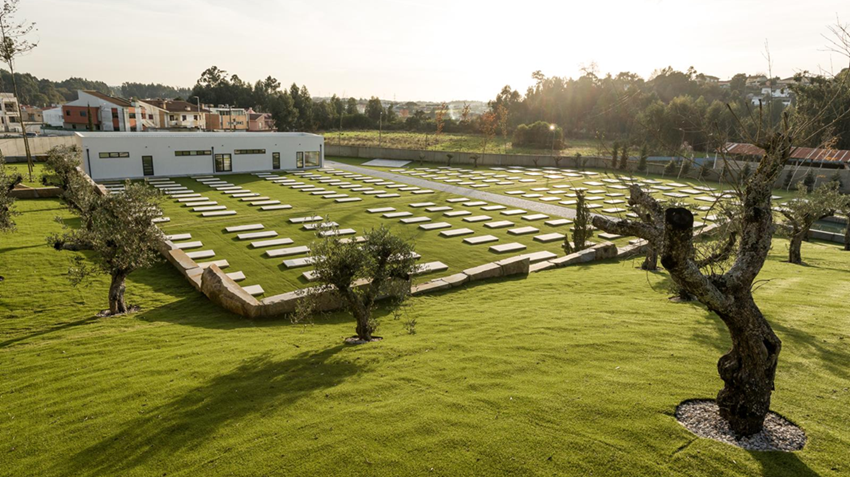
The new cemetery's name is "Campo da Igualdade Isaac Aboab. "Campo da Igualdade" (Field of Equality), as in death all human beings are equal. Each individual is unique and valued, yet all share a collective destiny and responsibility for one another. "Isaac Aboab" because he was a kind of Jewish Pope in the 15th century, especially in Sepharad, where about 20% of the world's Jewish population lived at that time.
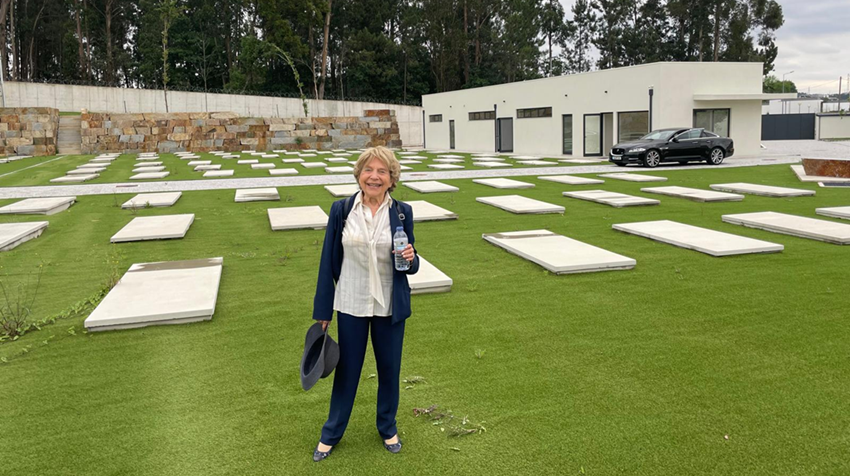
According to the Talmud (Sanhedrin 96b), "Jewish gravestones are fairer than royal palaces." This reflects the intense respect and care given to Jewish burial grounds, regarding them with the highest honor, as it serves a profoundly significant role in the Jewish community, functioning not merely as a burial ground but as a sacred "House of Eternity" (Bet Olam) or "House of Life" (Bet Hayyim) that binds generations together.
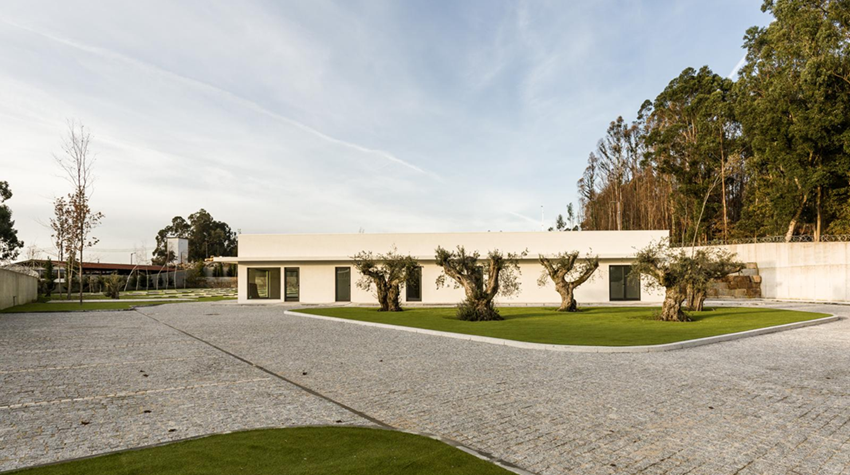
Majesty of the Work
Acquisition of two close plots of land (seller: Maia City Council) and construction of the cemetery using the best materials and great care in the architecture and surrounding botany. Amount paid: 3 million and 692 thousand euros. It was also a way of protection of Jewish savings, given the historical lesson that throughout the centuries states have always found stratagems to steal the little gold that Jews possess after having worked intensely. No one has ever managed to rob a cemetery. Throughout history, Jewish communities have survived adversity by focusing on long-term survival, drawing strength from tradition, and recognizing the capacity to change the world.
For the dead ones, only the voices of their children and friends ring out, "walking with them through the world where'er they went; Trampled and beaten were they as the sand, And yet unshaken as the continent." This classic Jewish poem highlights the resilience of Jewish identity, often symbolized by the longevity of their burial sites in the diaspora.
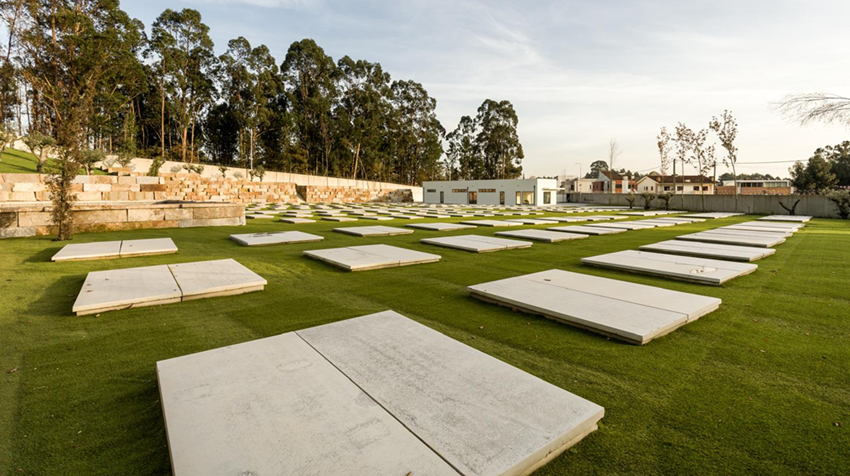
Lives that were filled with love and struggle
Visitors often go to the cemetery to pray and connect with the departed, particularly on the anniversary of a passing (yahrzeit), in the month of Elul, and before High Holy Days, sometimes visiting the graves of righteous figures (tzadikim). When the visitors walk among the graves scanning the stones, they begin to have the sense that each of the stones that surround the visitor represents lives that were filled with complexity, love, struggle...
In the "House of the Living", the living come to reflect on their own lives. Death is a transition, and the cemetery is a place of temporary rest in the journey of the soul. Jewish cemeteries act as rich educational resources, helping to teach younger generations about local Jewish heritage, the Holocaust, and the full history of a Jewish community like in Porto.
Known as bet kevarot (place of graves), these spaces hold the memory of the community, serving as a vital link to local Jewish history and ancestors. It emphasizes humility and modesty. The traditions of using simple wooden caskets, identical plain tombstones, and prohibiting extravagant monuments reflect that all are equal before God, regardless of wealth or status in life.
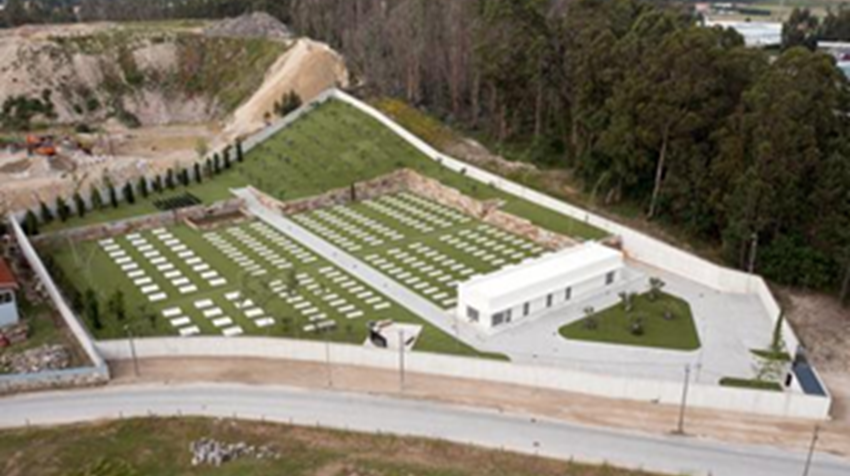
Human fulfillment
Human fulfillment is found through relationships, and building strong, supportive communities is vital, especially in an isolating world full of useless people who waste their existence and build nothing. The Jews are a very ancient genealogy whose function is to contribute to the Creation that never ceases. A core responsibility is to improve the world (Tikkun Olam), acting as partners in creation through social justice and ethical actions, a commitment to continuous improvement, feedback, and active participation in communal life. Besides, caring for the dead is considered the ultimate act of selfless kindness (chesed shel emet), as the deceased cannot reciprocate.
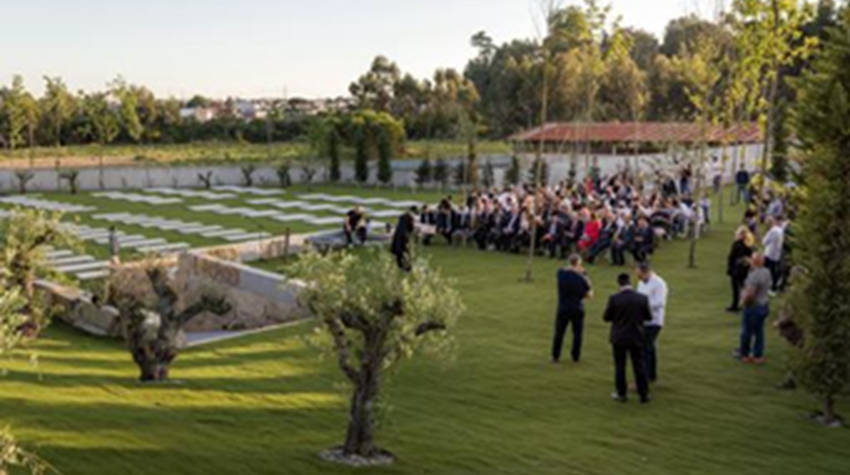
The cemetery is considered holy ground—in some traditions, even more sacred than a synagogue—reflecting the community's obligation to honor the dead, maintain communal identity, and uphold religious laws regarding the sanctity of the body. Bodies are buried with the expectation of eternal, undisturbed rest. The burial, or Kevura, is a final act of respect, with strict prohibitions against disturbing the resting place.
The cemetery emphasizes resilience, the power of community (Kehilla), and the ethical imperative to repair the world (Tikkun Olam). Core principles include lifelong learning, nurturing strong relationships, embracing constructive debate (Machloket), and maintaining shared responsibility for both communal welfare and global justice.


