


Some lessons from parshat Ki Tisa were remembered this Shabbat in Porto. The portion relates to current times. The leadership ethics. The dangers of instant gratification in a fast-paced world. The exploration of human vulnerability, vanity, gossip, and so on.
Lesson 1) In today's "on-demand" culture, it is prudent knowing when to engage and when to shield our inner selves from excessive involvement in material things. Moses' use of a veil to cover the radiance of his face suggests that while we must engage with the material world, we need a "veil" to filter negative influences and maintain our core values. Discretion and anonymity—only great men have these luxuries. The small and foolish spend their entire lives trying to be noticed and recognized by others.
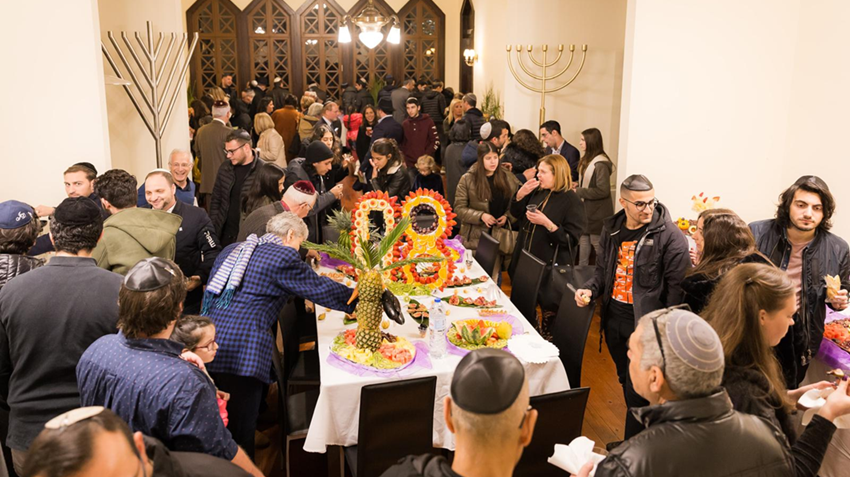
Lesson 2) In today's "on-demand" culture, humans quickly become depressed by constantly thinking about the past and their errors. Their lives get stuck. Weeks and years pass in the most painful routine. Parashat Ki Tisa that our mistakes do not define us; rather, the process of returning and repair can create a stronger, more authentic connection to our values. The second tablets were more significant because they were born from failure and effort. The transition from the first set of shattered tablets to the second set of carved tablets offers a profound lesson on resilience and perfection.
Lesson 3) In today's "on-demand" culture, the men often prioritize immediate results over long-term values. The sin of the Golden Calf was born from the people's inability to wait for Moses' return. Lesson: The parashat warns that seeking quick, glittering solutions to complex problems—can lead to spiritual and social collapse. No, make a good plan, concentrate, focus on your goal, don't waste time on minutiae, and produce. Whoever crosses your path will be crushed by your work.
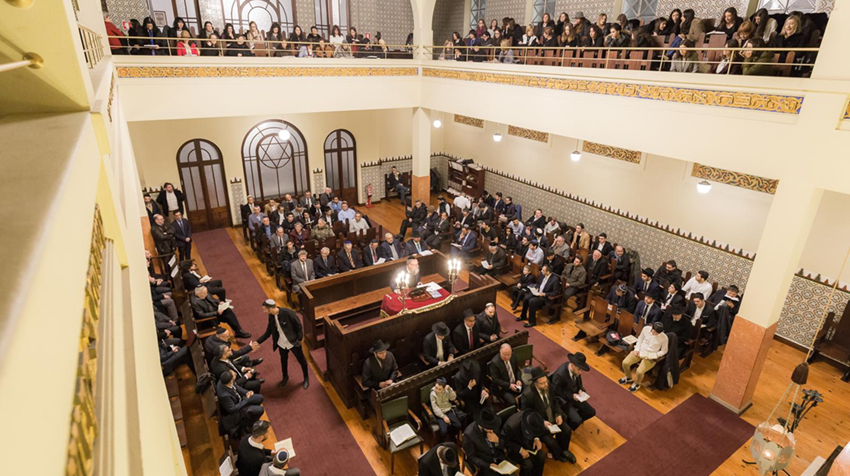
Lesson 4) In today's "on-demand" culture, leaders react in real-time to shifting public opinion or "polls" rather than standing on principle. Aaron yielded to the crowd's demands to maintain peace, even at the cost of moral truth, but Moses remained committed to absolute ideals. The portion presents two contrasting styles of leadership during a crisis and it challenges current leaders to find a balance between being attuned to the people's needs and staying firm on fundamental ethical principles.
Lesson 5) In a digital age where individuals are often reduced to mere data, Ki Tisa reminds us that a true Jewish community is built when every person "counts" and shares a stake in the collective future. Outside the camp, only envy, vanity, and foul language will remain. All others will be united in producing Jewish life. The parashat begins with the half-shekel census, where everyone gave the same amount regardless of wealth.
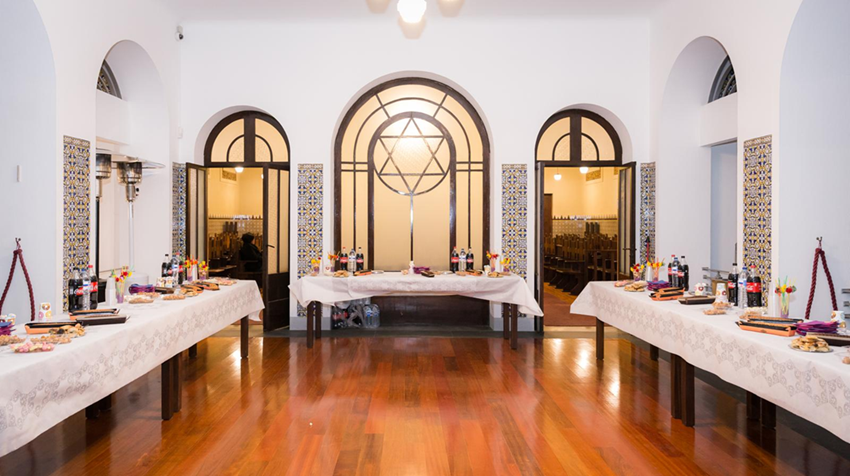
On the verge of completing the second book on the way to completing 11 consecutive years of always having a minyan, this Ki Tisa Shabbat the Jewish community of Porto gathered 417 men in its two synagogues, both with minyan on Friday and Saturday as always.
The community officially states that it does not exist to please everyone, but rather to honor its ancestors, who were once led by the last Gaon of Castile, paid 38% of the city's taxes, and were still prominent players in international trade.


